On This Page
Letter from the Directors
About FERC/OPP
Administration and Operations
Outreach and Assistance
Technical Assistance
Educational Programs
OPP Engagements Across the Country (2025)
Growing National Recognition of Public Participation
Letter from the Directors
Dear FERC Constituents,
We are pleased to share the FERC Office of Public Participation’s 2025 Annual Report. In 2025, OPP worked diligently to fulfill its statutory mandate under the Federal Power Act and delivered meaningful procedural and technical assistance, public outreach and education.
OPP’s efforts have provided multiplied value to the American public: value for constituents, who receive assistance and public participation education; value for FERC, whose decision-making benefits from a broader set of perspectives; and value for the country as a whole, as FERC aims to protect consumer and community interests while fostering streamlined deployment of energy infrastructure, setting just and reasonable rates for wholesale energy services, and maintaining grid reliability.
FERC’s constituents represent all of America including landowners, urban and rural communities, residential and business consumers, consumer and environmental advocates, state and local government officials, local community-based organizations, faith-based groups, university professors and administrators, citizens of Tribal Nations and energy industry representatives, among many others. These constituents are on the frontlines of the energy affordability, infrastructure deployment and energy markets challenges facing the United States. We are honored to serve as a facilitator of their vital engagement and participation in FERC proceedings.
During 2025, OPP’s talented and dedicated staff provided timely, informative responses to over 733 constituent inquiries and participated in over 77 meetings with constituents. We also conducted expanded outreach to thousands of citizens across the country for infrastructure-related open houses and scoping sessions. Additionally, OPP staff provided conference presentations, webinar trainings and information tables for numerous local and national convenings.
Our national energy delivery system is at an inflection point. Public voices in the administrative record are indispensable to ensuring FERC’s ability to establish policy that serves the public interest. OPP stands ready to continue to empower, promote and support public voices in FERC proceedings. Thank you for your partnership with us in our mission.
Sincerely,
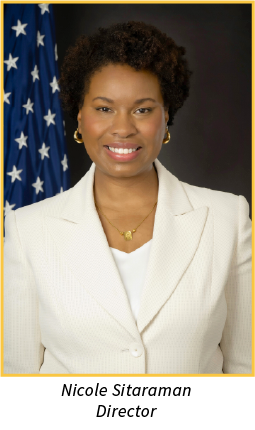
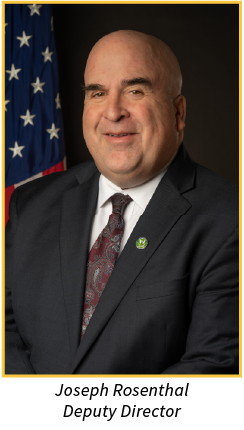
Nicole Sitaraman, Director, Office of Public Participation | Joseph Rosenthal, Deputy Director, Office of Public Participation
About FERC
The Federal Energy Regulatory Commission (FERC) is an independent, quasi-judicial agency that regulates key aspects of the electricity, natural gas, and oil industries. FERC’s mission is to assist consumers in obtaining economically efficient, safe, reliable, and secure energy services at a reasonable cost through appropriate regulatory and market means and collaborative efforts.
The Mission of FERC’s Office of Public Participation
Established by Section 319 of the Federal Power Act, the mission of the Office of Public Participation (OPP) is to empower, promote, and support public voices in FERC proceedings. OPP is a non-decisional office and has no role in FERC decision making in contested proceedings. This designation enables OPP to interact fully with constituents (including in contested cases), hear their concerns, and offer participation guidance.
OPP Supports the Public in their Efforts to:
- Learn about the industries that FERC regulates and the scope of FERC jurisdiction;
- Locate FERC matters, filed documents, and decisions that relate to their concern;
- File a comment, intervene, or otherwise participate in a FERC matter;
- Determine filing deadlines; and
- Understand FERC processes and key rulings.
OPP assists members of the public who are interested in participating in FERC proceedings, who may have questions about FERC proceedings, or who want to learn more about FERC and its role as a federal regulatory agency in the energy sector.
In the discussion about stakeholder engagement in its December 3, 2025 report, "Bottleneck to Breakthrough: A Permitting Blueprint to Build," the National Petroleum Council Committee on Oil and Natural Gas Infrastructure Permitting noted, "In 2020, FERC established an Office of Public Participation at the direction of Congress that is intended to further advance public awareness and participation in FERC’s infrastructure approval process. These developments help support public engagement, if appropriately leveraged and maintained."
How OPP Delivers
OPP accomplishes its mission and advances its commitment to facilitate engagement and reach constituents through three divisions:
OPP’s Outreach and Assistance Division (OAD) provides responses to constituent inquiries as well as outreach and public engagement focused on energy infrastructure and energy markets proceedings before FERC.
The Technical Assistance Division (TAD) serves the public with technical information on FERC-jurisdictional topics and responds to requests for technical assistance related to energy industries and FERC procedures. Both OAD and TAD share a strong emphasis on education, accessibility, and timely support of constituent needs.
The Administration and Operations Division (AOD) supports all of OPP’s efforts through its administrative work in hiring, logistics, compliance, budgeting, and other essential functions.
Together, these three divisions build public trust, expand understanding of FERC processes, and promote broader participation in matters before the Commission.
"FERC’s Office of Public Participation has been a valuable partner in our stakeholder engagement efforts. Their accessibility and willingness to engage directly with community members enhanced the credibility of our outreach and provided clarity on complex regulatory topics. This support helped ensure community members felt informed, heard, and confident in the information being shared."
- Karri Mahmoud, Director, Environmental and Regulatory Projects, Cheniere Energy
Administration and Operations Division
Operational Support for OPP's Mission
The Administration and Operations Division (AOD) advanced OPP’s mission by delivering essential administrative services that enable OPP to carry out its work effectively. This included monitoring budget spending, managing and coordinating the intake of hundreds of public inquiries and ensuring timely communication across all OPP divisions. AOD also implemented mail-verification software that reduced returned mail by identifying and removing invalid addresses, improving efficiency, and reducing costs. Through these efforts, the team strengthened overall operations and enhanced the office’s ability to better serve the public.
AOD’s efforts support productivity, accountability, and consistent service delivery. These core responsibilities allow OPP’s public-facing divisions to focus on assisting constituents and responding to inquiries, while AOD ensures the operational reliability needed to sustain OPP and its initiatives.
Staff Spotlight
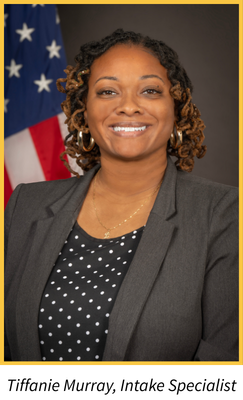
AOD recognizes Tiffanie Murray, Intake Specialist, for her exceptional dedication and versatility. With over 10 years of federal administrative experience – including service in the U.S. Air Force – Tiffanie has been a valuable resource to FERC and OPP since day one. Tiffanie strives to deliver efficient and reliable support to her fellow colleagues, contributing directly to OPP’s ability to serve the public.
“Tiffanie has been a valuable resource to FERC and OPP since day one. Tiffanie strives to deliver efficient and reliable support to her fellow colleagues, contributing directly to OPP’s ability to serve the public.”
- Ahlam Kaissouni
Administrative Officer, AOD,OPP
Outreach and Assistance Division
Public Engagement and Inquiry Support
The Outreach and Assistance Division (OAD) responds to public inquiries and provides information related to energy infrastructure and energy markets proceedings before FERC. In 2025, OAD’s work focused on three areas:
- Providing timely, accurate responses to constituent inquiries
- Conducting outreach on priority matters in energy infrastructure and energy markets; and
- Continuing to build and maintain a national network of constituents through consistent, high-quality communications regarding FERC activities.
Constituent Services
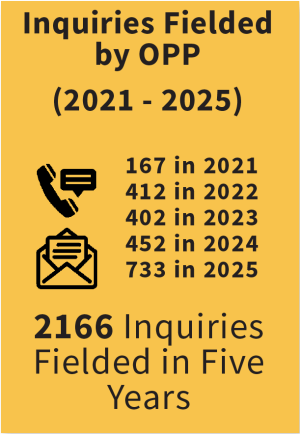
OPP’s Constituent Services Team supported FERC by addressing inquiries from various members of the public, including individuals, industry representatives, state and local government agencies and non-profit organizations. OPP received inquiries about FERC proceedings and issuances, comment deadlines, intervention procedures, and general energy-related issues through OPP’s helpline, email, mail, and referrals from other FERC offices. Since its inception, OPP has fielded over 2166 inquiries from members of the public.
In 2025, constituents continued to rely on OPP as a resource for understanding and navigating FERC processes. Staff provided responses, met with individuals to discuss their questions, and collaborated with other FERC offices to convey appropriate information.
“The Federal Energy Regulatory Commission’s Office of Public Participation has played an essential role in helping communities gain a clearer understanding of the FERC permitting process. The OPP staff are consistently welcoming, professional, and accessible. I deeply appreciate their ongoing commitment to meeting with community members, whether virtually or in Washington, D.C., and for providing meaningful information that supports greater public engagement.”
- Kari Fulton, Community Policy Advocate & Educator, Founder/ Editor-in-Chief, Checktheweather.net
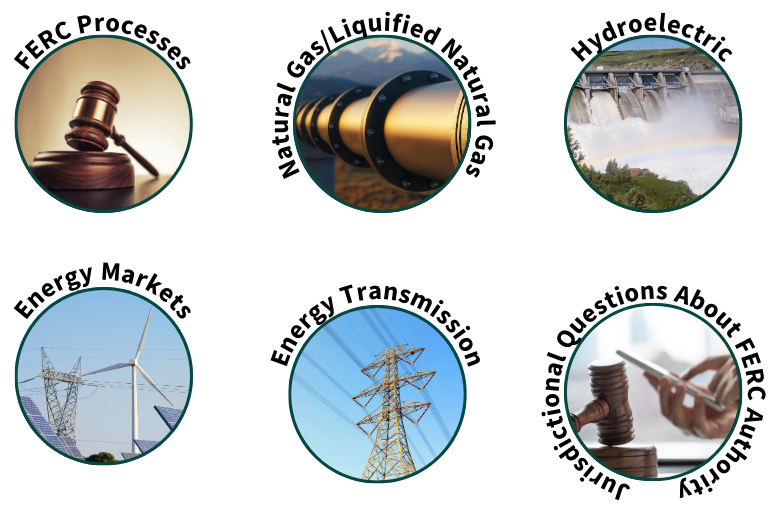
Typically, inquiry topics included:
Energy Infrastructure Outreach
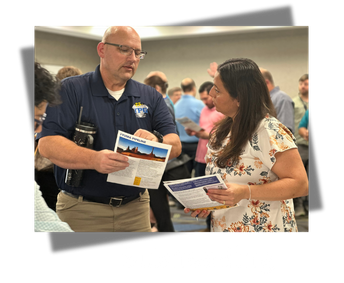
In 2025, OPP’s Energy Infrastructure Team worked to inform the public about opportunities to participate in FERC-jurisdictional infrastructure proceedings. The team supported public engagement on priority natural gas and hydropower proceedings, including interstate natural gas pipelines, LNG export terminals, and pumped storage hydropower projects. They also conducted outreach to make the public aware of opportunities to provide comments in generic policy proceedings such as the recent rulemaking on preliminary hydropower permits (Docket No. RM26-5-000) and Notices of Inquiry on blanket authorizations for hydropower and LNG projects (Docket Nos. RM26-2-000 and RM26-3-000).
Throughout the year, the team continued to refine and expand its outreach activities. Building on the expanded notification program, staff broadened public awareness of FERC review processes and public participation opportunities.
The Energy Infrastructure Team collaborated closely with FERC’s Office of Energy Projects (OEP) to coordinate staff participation at public meetings, open houses, and scoping sessions. These efforts strengthened FERC’s presence in project areas and provided constituents with opportunities to ask questions and receive accurate information about engaging in FERC processes. In addition, the team worked with pipeline industry representatives to discuss best practices for outreach to landowners and developed educational materials to assist the public on preparing substantive comments in proceedings before the Commission.
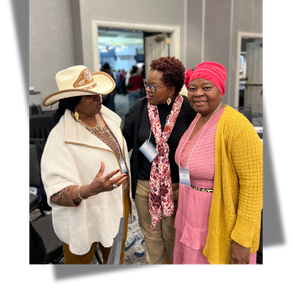
“Pipeline Safety Trust is so appreciative of the time Pam and Vince took to present to our participants at the Pipeline Safety 101 training this November! They did a great job. We had over 40 people in the audience to learn from their presentation. Pam and Vince gave very clear and impactful information about the role of FERC and the OPP, what resources and support they offer, and what the public can do to participate effectively... We appreciate the time and effort Pam and Vince took in helping the public learn about participating in FERC processes!”
- Virginia Wiltshire-Gordon, Community Engagement Manager, Pipeline Safety Trust
2025 Infrastructure Outreach Activities
Engaging Constituents in FERC Processes
The Energy Infrastructure Team regularly engaged with landowners, community groups, and other members of the public to hear concerns related to FERC proceedings and to provide education on how to participate in FERC processes. Staff met with community members at applicant open houses, scoping sessions, community meetings, and at FERC headquarters to explain procedural steps and available participation pathways.
Expanding Awareness of Participation Opportunities
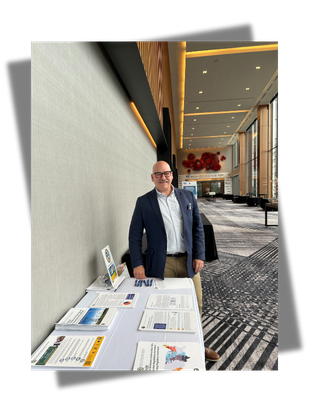
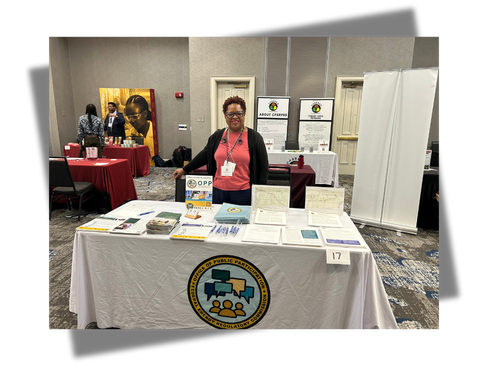
OPP staff attended 25 in-person and virtual FERC scoping meetings and company hosted open houses to support the public in submitting comments in FERC dockets. To promote these opportunities, OPP developed informational mailings, emails, handouts, and social media posts in concise and plain language.
Public Comment Meetings, Online Comment Tools, and Effective Comments
The Energy Infrastructure Team provided constituents with information on what to expect at public meetings, how to use online commenting tools, and how to provide effective and solution-oriented comments to FERC.
Notifications to Support Public Understanding
Expanded notifications involved providing courtesy copies of important FERC issuances along with a plain-language summary of the issuance, participation information, and available resources for communities near FERC-regulated projects.
2022: 216 for 2 different proceedings
2023: 2,649 for 8 different proceedings
2024: 12,434 for 14 different proceedings
2025: 16,831 for 8 different proceedings
Energy Markets Outreach
In 2025, OPP’s Energy Markets Team focused on improving accessibility of markets-related proceedings at FERC, as well as proceedings on the rates, terms, and conditions of electric transmission service on the interstate grid. FERC’s 2025 markets proceedings have continued to gain increasing public awareness and interest. The team continued to support and engage members of the public who want to understand how FERC’s regulation of electricity markets and the grid impacts reliability, efficiency, affordability, and other energy-related issues in the United States.
Throughout 2025, the Energy Markets Team met with members of the public, organizations, and industry to enhance their knowledge of important FERC matters, including rulemakings, orders, technical conferences, and key industry filings. The team conducted outreach to encourage public participation in the historic markets matters related to energy demands of large data center loads such as Docket No. EL25-49-000 (Co-located Loads) and RM26-4-000 (Interconnection of Large Loads). Moreover, they responded to inquiries about FERC’s energy markets proceedings to explain highly technical language that can make participation difficult.
2025 Highlights in the Energy Markets Program
Understanding FERC Jurisdiction and Market Structure
Members of the public requested information about FERC’s role in the electricity sector, including how the Commission oversees transmission development, the relationship between wholesale markets and retail rates, and FERC’s role in electric reliability.
Energy Market Rules and Participation
Constituents – ranging from consumers to industry stakeholders – sought clarification on how FERC’s market rules influence participation in energy markets. Questions focused on how market design affects access to resources and the extent to which different entities may participate under FERC’s rules.
Transmission and Interconnection Rulemakings
The public also requested plain-language summaries and resources explaining FERC’s recent landmark orders related to interconnection, transmission planning, and transmission siting.
Regional Transmission Organization (RTO)/Independent System Operator (ISO) Stakeholder Processes
Members of the public sought information about engaging in regional market stakeholder processes, how certain market proposals before FERC would affect an entity’s participation in RTO/ISO stakeholder processes, and how to improve oversight and facilitation of public participation in RTO/ISO and non-RTO/ISO planning regions.
Energy Markets Key Initiatives
In 2025, the Energy Markets Team continued to implement key initiatives, including the development of educational resources, coverage of regional markets, and engagement with stakeholders.
Regional Markets Coverage
Energy Markets staff monitored and distributed information to the public about markets-related issues occurring in the Western, Central, Eastern, and Southeastern U.S. via social media and subscription e-bulletins. Energy Markets staff also assisted members of the public with questions on proceedings of interest to their communities.
Stakeholder Engagement
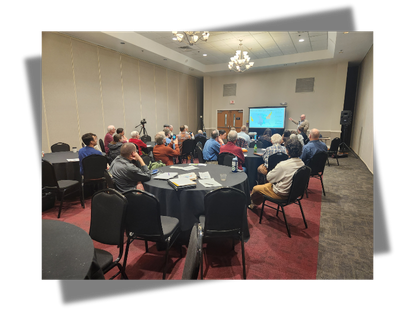
The Energy Markets Team met with Tribal entities, academics and university representatives, state and local government staff, and community organizations. The team prioritized meeting with organizations who reached out to OPP for help with participating in FERC matters and market processes. In addition, the team presented at conferences and webinars to explain how FERC functions and how energy policy changes relate to community interests.
Educational Resources
The Energy Markets Team developed numerous educational materials to ensure members of the public can easily access and understand major FERC rulemakings, market concepts, and technical terminology.
| Resource Spotlight: What State Regulators Need to Know About Order No. 1920-B |
|---|
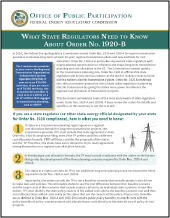
In April 2025, FERC issued Order No. 1920-B, which revises and clarifies parts of Order Nos. 1920 and 1920-A. Order 1920-B focuses on the role state regulators have in the process of building out the nation’s electric transmission system. In response to the update, OPP worked with other program offices to rapidly develop and publish “What State Regulators Need to Know About Order No. 1920-B” as a resource that provides states with accessible information about the rule. |
Technical Assistance
Supporting Public Understanding of FERC Processes
The Technical Assistance Division provides support to the public on FERC-jurisdictional topics and across energy industry topics from hydroelectricity, electricity markets, and natural gas infrastructure permitting through in-depth research, educational products, and direct technical assistance.
The division engages with technical experts, various organizations, and research efforts to ensure OPP’s educational products are accessible, accurate, and helpful to the public. TAD also supports research efforts that seek to gather and interpret data sets. Additionally, TAD connects members of the public, such as community organizations, Tribal and Indigenous communities, industry, and landowners, with informational resources that enhance their participation at FERC.
“The Technical Assistance Division has had a successful and productive inaugural year. We close out 2025 staffed with two Technical Writers, Jesse Fazio-Carrillo and Phil Bratta, and a Program Analyst, Karene Riley. This team brings expertise in energy markets, hydropower licensing, permitting processes, and technical communication to support OPP’s mission.”
- Chris Gunn, Director, Technical Assistance Division
| Project Spotlight: Learning about Proposed Natural Gas Projects Near You |
|---|
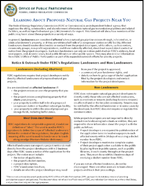
The Technical Assistance Division developed a two-page educational handout with frequently asked questions to help the public understand whether and how they may be affected by a FERC-jurisdictional natural gas infrastructure project (e.g., pipelines, LNG terminals, compressor stations). The handout explains key topics, including differences between property owners and renters; whether a proposed pipeline directly crosses a person’s property; potential indirect impacts; why an individual may receive a scoping notice but not their neighbor; the types of entities covered by OPP’s expanded outreach; and the level of outreach required of natural gas pipeline companies under applicable regulations. |
Key Activities in 2025
In 2025, TAD, in addition to developing educational documents:
- Provided technical assistance in hydropower licensing
- Assisted with inquiries on data center load impacts
- Presented to Tribal and stakeholder audiences on Order Nos. 1920 and 1920-A, and
- Shared information about OPP’s mission and public participation resources
“Our collaboration with Office of Public Participation and the Technical Assistance Division has been instrumental in advancing Tribal-led clean energy development and regulatory participation. The Alliance for Tribal Clean Energy values partners who honor Tribal sovereignty, respect Tribal expertise, and work in true relationships. These principles have been demonstrated throughout our engagement, including during our joint webinar on Order No. 1920. We look forward to continuing this partnership as we work together to ensure that federal energy policies meaningfully include and benefit Tribal Nations as sovereign governments, in a manner consistent with and reflective of the federal government’s trust responsibility.”
- Alliance for Tribal Clean Energy
Educational Programs
Practical Resources for Public Engagement
Educational materials are most useful when they guide readers step-by-step through a topic, summarize complex issues ahead of a proceeding, or highlight final outcomes from in-depth and long-term regulatory processes.
In 2025, OPP supported FERC stakeholders by developing 11 new educational products that have been made available on OPP’s website and distributed in hard copy during in-person meetings. Several of these resources were developed in response to the final outcomes of three multi-year rulemakings on generator interconnection, siting interstate electric transmission, and regional transmission planning and cost allocation finalized in late 2024 and 2025.
Explainers, Quick Guides, and Informational Handouts
OPP’s Educational Resources use a variety of textual formats as well as graphics to break down complex market and technical concepts. These materials help unpack major rules and assist a broad audience – including individuals, community organizations, and seasoned industry experts – in navigating FERC processes and policies.
Specifically, OPP educational materials seek to help readers understand FERC’s regulatory updates and to assist readers who wish to make their voices heard on issues that affect the prices they pay for electricity and natural gas, energy affordability, sustainability, or even the physical environment of their communities.
OPP continues to add to its growing library of educational products. The team worked closely with subject-matter experts across FERC’s offices to publish explainers that balanced technical accuracy with accessibility, made major rulemakings understandable and relevant to the public, and clearly identified the Commission’s final decisions.
Transmission Planning and Cost Allocation Final Rule. This document provides an overview of the landmark FERC Order No. 1920, through Order No. 1920-A, and Order No. 1920-B, which collectively set various requirements for how transmission providers must conduct long-term regional transmission planning and allocate the costs of transmission facilities planned through those processes. It highlights the key decisions in the final rule of policies that have changed for regional transmission planning, including the role of states, and how to navigate these changes as a stakeholder.
What State Regulators Need to Know About Order No. 1920-B. OPP collaborated with other program offices to produce the helpful 1-page handout on takeaway points for State Regulators along with FAQs to facilitate their engagement in FERC matters. Order No. 1920- B discusses the consumer-protection role of state utility regulators in planning electric transmission by giving the states more power to influence the regional cost allocation of transmission projects.
Understanding Wholesale Capacity Markets. This quick guide introduces Wholesale Capacity Markets by explaining what they are and defining key components and participants.
PJM Interconnection Quick Guide. As an offshoot of our detailed PJM public participation explainer, this quick guide equips readers with the basics to get started on tracking issues and participating in stakeholder proceedings at the PJM level.
CAISO Participation Guide. As an offshoot of our detailed CAISO public participation explainer, this quick guide includes the basic resources to get started with learning all about CAISO and how to participate in their stakeholder processes.
In-Person Hydropower Scoping Meetings: Public Participation and What to Expect. This flyer on what to expect at Hydropower scoping meetings prepares community members to participate at typically well- attended scoping meetings for relicensing of hydroelectric projects.
Note: OPP has previously produced similar flyers that prepare community members to participate in pre-filing open houses or scoping meetings for natural gas pipeline projects.
FERC Commission Meetings: What to Expect. This flyer explains FERC’s Monthly Commission Meetings, their purpose and format, the agenda and sunshine notice, voting, and action steps to take before the meeting.
How to eSubscribe. This participation guide walks users through how to stay informed of a specific proceeding by subscribing to a specific docket and receiving notice of filings and issuances in their e-mail. This guide complements other OPP guides such as how to eComment, efile, and intervene.
How to File Comments Using FERC’s eFiling System. This step-by-step guide with nine screen shots makes it easy to figure out how to submit a file with an attachment to the record of a given proceeding.
How to File an eComment. This participation guide walks users through how to submit a comment in certain Commission proceedings without creating an eRegister account.
Learning About Proposed Natural Gas Projects Near You. This two-page handout helps the public understand whether and how they may be affected by a FERC-jurisdictional natural gas infrastructure project (e.g., pipelines, LNG terminals, compressor stations).
Social Media Engagement
OPP expanded its educational reach by utilizing social media to share information with thousands of FERC followers on LinkedIn, Facebook, Instagram, BlueSky, X (formerly known as Twitter), and YouTube. OPP regularly posted across platforms to increase public awareness of what FERC is, how FERC operates, what industries FERC regulates, what OPP does, and how OPP may assist the public in participating in FERC matters.
Notable Social Media Campaigns
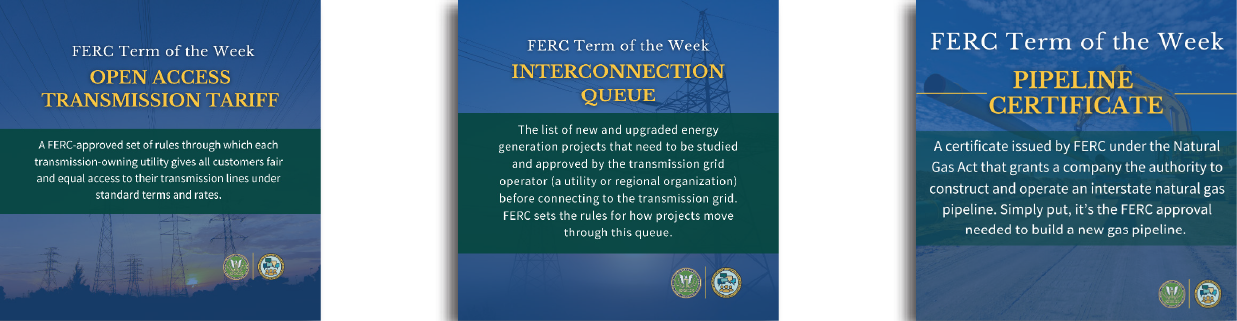
FERC Term of the Week
OPP continued to post weekly on energy terms and concepts that focused on educating the public on language used in FERC proceedings, presentations, or meetings. These “FERC Term of the Week” posts have received extensive engagement from the public online.
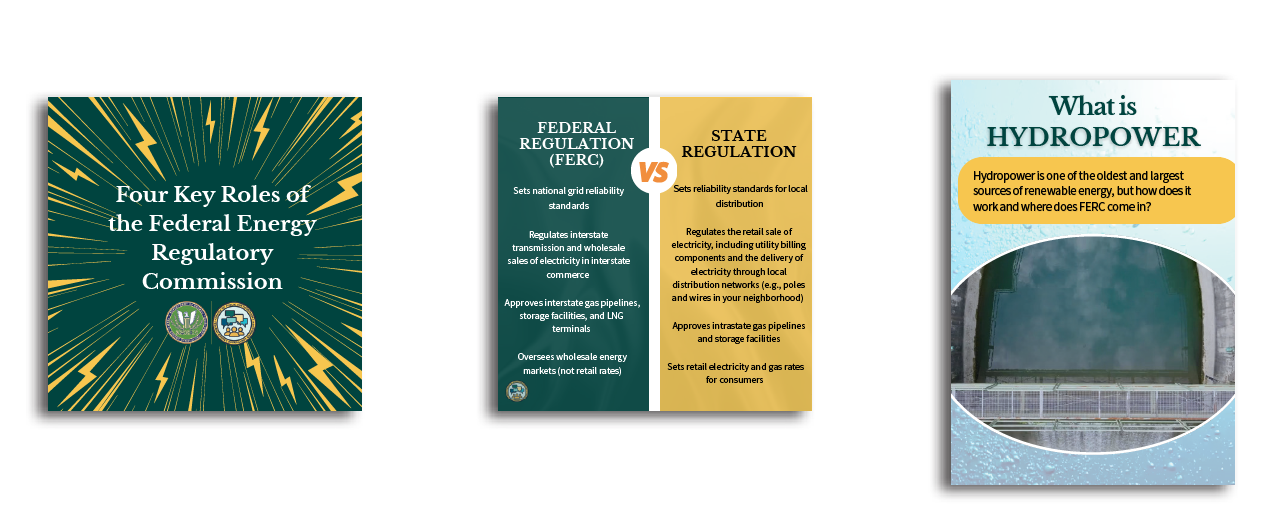
Energy Explained Series
In summer 2025, OPP launched this series that broke down complex energy concepts and FERC processes into plain language. The series introduced foundational topics such as FERC’s role in the energy landscape, the difference between federal and state energy regulation, and how to participate in FERC proceedings. These posts were shared across platforms and received substantial engagement from individuals seeking to better understand the energy system and how FERC decisions affect consumers, communities, and industry.
Social Media Campaigns on Priority Projects
Throughout 2025, OPP conducted several months-long campaigns related to proposed energy infrastructure projects of high interest to the public. Each campaign aimed to reach constituents online with a steady stream of information on when comment periods concluded, how to submit comments or file motions to intervene, technical information to understand about a project, and why public participation matters at FERC. The campaigns focused on the following energy infrastructure projects.
- Argent LNG Project
- CCL Stage 4 Project and CCPL Expansion Project
- Mountain Valley Pipeline (MVP) Southgate Amendment Project
- Yuma Pipeline Project
- Kosciusko Junction Pipeline Project
- Mississippi Crossing Pipeline Project
- South System Expansion 4 Pipeline Project
- Plaquemines LNG Expansion Project
- Commonwealth LNG Project
- CP2 LNG and CP Express Pipeline
Staff Professional Development and Job Knowledge
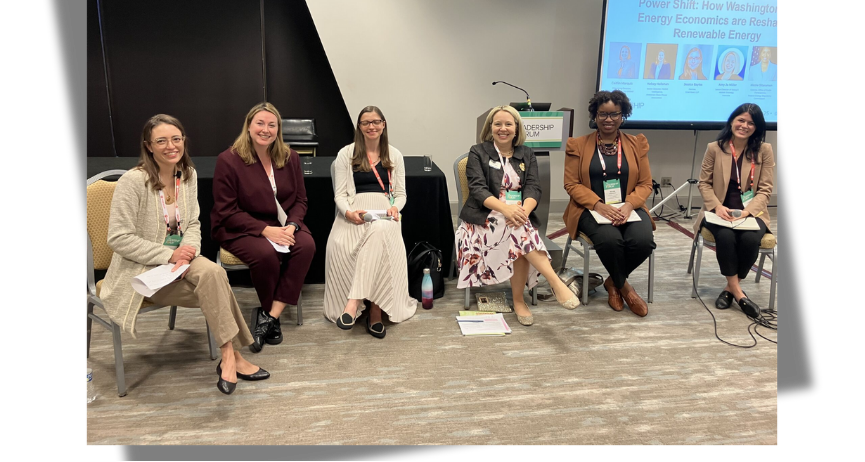
OPP is intentional about expanding staff knowledge and expertise. Along with individual trainings, OPP emphasized learning collectively – both from each other and from external organizations, academics, and industry leaders.
To support this, OPP held monthly learning sessions, which included a mix of internal and external presentations. Highlights include a session with Professor Diana Hernandez, in which staff discussed energy insecurity and its impacts on affordability and access. OPP also hosted a meeting with the founder of the PowerLines organization on modernizing regulatory systems to lower utility bills and grow the economy, and with representatives from Williams Transco Pipeline Company who discussed their landowner engagement work.
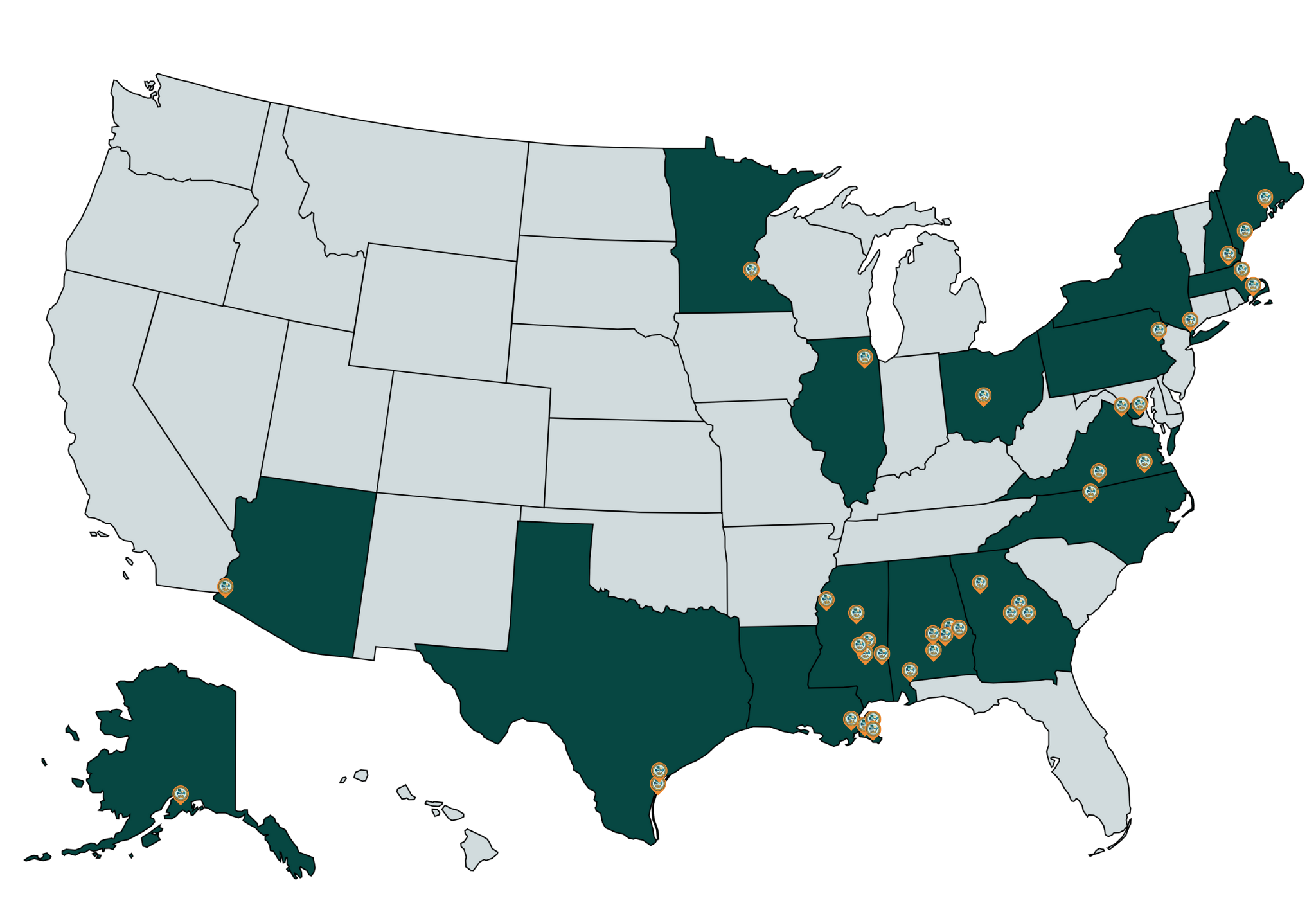
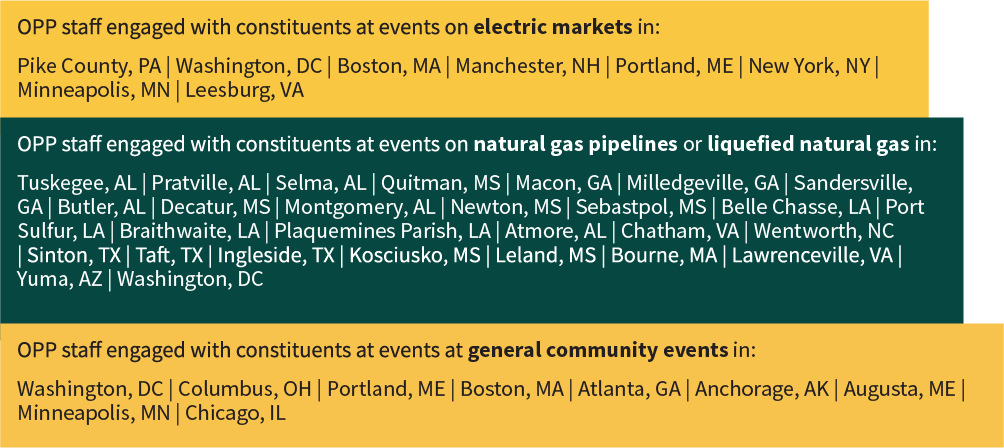
OPP Engagements Across the Country (2025)
Map of the U.S. where OPP staff attended 77 in-person meetings, conferences, seminars, and forums in 2025.
Presentations and Speaking Engagements
In 2025, OPP delivered over 19 presentations and training sessions across the country to various constituents including consumer advocates, community groups, environmental advocates, and new organizations or participants entering the energy industry. Many training sessions were on advanced topics that facilitate the public’s involvement in FERC rulemakings and other types of proceedings on transmission planning and cost allocation, interconnection and siting, energy infrastructure, and energy markets. These presentations included speeches and trainings at industry gatherings:
- Transmission Business School, University of Illinois
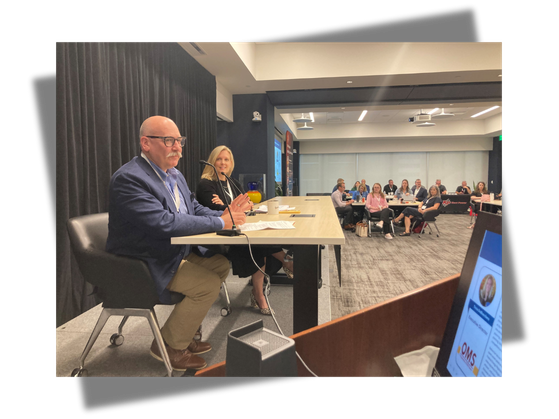
- Consumer Advocates of PJM States (at the PJM Annual Meeting)
- Rystad Energy Lunch & Learn–FERC 101 Webinar
- Organization of MISO States Work Group Chair and Key Staff Meeting
- REGlobal Conference on Community Solar in the US
- Northeast Power and Energy Conference (NEPEC)
- 2025 Midwestern Transmission Summit
- ISO-NE Consumer Liaison Group
- Pacific Northwest National Laboratory (PNNL), State and Community National Program Event
- Women in Renewable Industries and Sustainable Energy (WRISE) Leadership Forum
- Pipeline Safety Trust Organizers for Pipeline Safety Public Development Event
- Clean Energy States Alliance (CESA) National Energy Summit for States, Gallaudet University
- Advanced Energy United
- Citizens Utility Board PJM Planning event
Growing National Recognition of Public Participation
National Prioritization of Public Participation
The success of OPP is showing that the support of public participation in the utility and energy fields is a valuable and separate function that warrants the use of dedicated staff. Since FERC OPP’s establishment about five years ago, several public participation offices have been considered by legislatures or initiated within state Public Utility Commissions or other state agencies, as well as in energy planning authorities or regional markets.
The complexity of energy regulation and the critical impacts it has on the economic, environmental, and health aspects of individuals and communities has led energy regulatory and planning officials and stakeholders to seek ways to facilitate the public’s participation in decision making from those directly impacted by their consequential and long-term regulatory actions. Moreover, there is an increasing expectation that residential and industrial consumers will participate in providing services to their utility or to the wholesale energy markets through customer-sited, distributed energy resources or demand response (see, e.g., FERC’s Order 2222). Thus, full participation requires a broad representation of stakeholders, including the voices of large and small load energy consumers (who also may be providers) as well as regulated companies.
New examples of independent, separate, units or offices of public participation to protect the public interest include:
- Regional Organization for Western Energy (ROWE): The newest wholesale electricity market in the country, ROWE, is slated to be incorporated in early 2026. ROWE has stated that it recognizes the need for an inclusive and balanced stakeholder process. It therefore will include an office of public participation, like FERC’s OPP, to foster stakeholder engagement, especially with stakeholders that have fewer resources.
- Tennessee Valley Authority (TVA): Long-term energy planning process is the subject of bipartisan legislation, the TVA Increase Rate of Participation (IRP) Act, reintroduced to congress on December 2, 2025. The bill seeks to establish an Office of Public Participation for TVA, which would be charged with engaging with the public and facilitating public education and input into TVA matters. The bill also seeks for TVA to release critical information such as modeling assumptions and to collect public feedback before draft integrated resource plans (IRP) are released and to set a process for stakeholder intervention and discovery in the IRP.
- Massachusetts Department of Public Utilities (DPU): DPU now has a Director of Environmental Justice and Public Participation tasked with facilitating the understanding of the department’s work and improving access to public participation in matters before the Department.
- Minnesota Department of Commerce Division of Energy Resources: The Department is staffing up a new unit tasked with implementing effective public participation and outreach processes. Their work includes leading outreach and coordination efforts with communities impacted by routing and siting of large energy infrastructure, such as high voltage transmission lines and utility scale energy projects.
Over the years, OPP Directors have engaged with international energy policy leaders regarding their interest in learning about FERC’s Office of Public Participation and as they initiate or consider their own offices of public participation.
Quick Links
Contact Information
-
News MediaEmail: [email protected]
-
AccessibilityTelephone: 202-502-8659 (TTY)Toll-free Telephone: 1-866-208-3372Fax: 202-208-2106Email: [email protected]